


- Home /
- Fresh
Fruit & Vegetables
From Jan. 1, 2030, a lot is going to change in Europe. Then it will be forbidden to use single-use plastic in packaging for pre-packaged fresh fruits and vegetables weighing less than 1.5 kg. This means you need to start thinking about alternatives now. It’s not just a matter of regulations, but also of responding smartly to the wishes of your customers. After all, European consumers are increasingly opting for packaging that is recyclable, compostable or bio-based. Your packaging is a story, and that story must tell sustainability.
The impact of current packaging
Traditional plastic packaging has a huge environmental impact. Think of the mountains of waste and CO2 emissions. But besides the environment, food waste also plays a big role. Did you know that strategic packaging can actually help reduce food waste? By using smart portion packaging, for example, consumers only buy what they need. Thus, less is thrown away. Good packaging can extend shelf life, which is crucial for fresh produce. This contributes to both less waste and a lower carbon footprint. If half of all food packaging is made of “bio-friendly” materials by 2050, we could save 46 million tons of plastic waste and 120 million tons of CO2 equivalent emissions annually in Europe.
Navigating the sustainable materials matrix
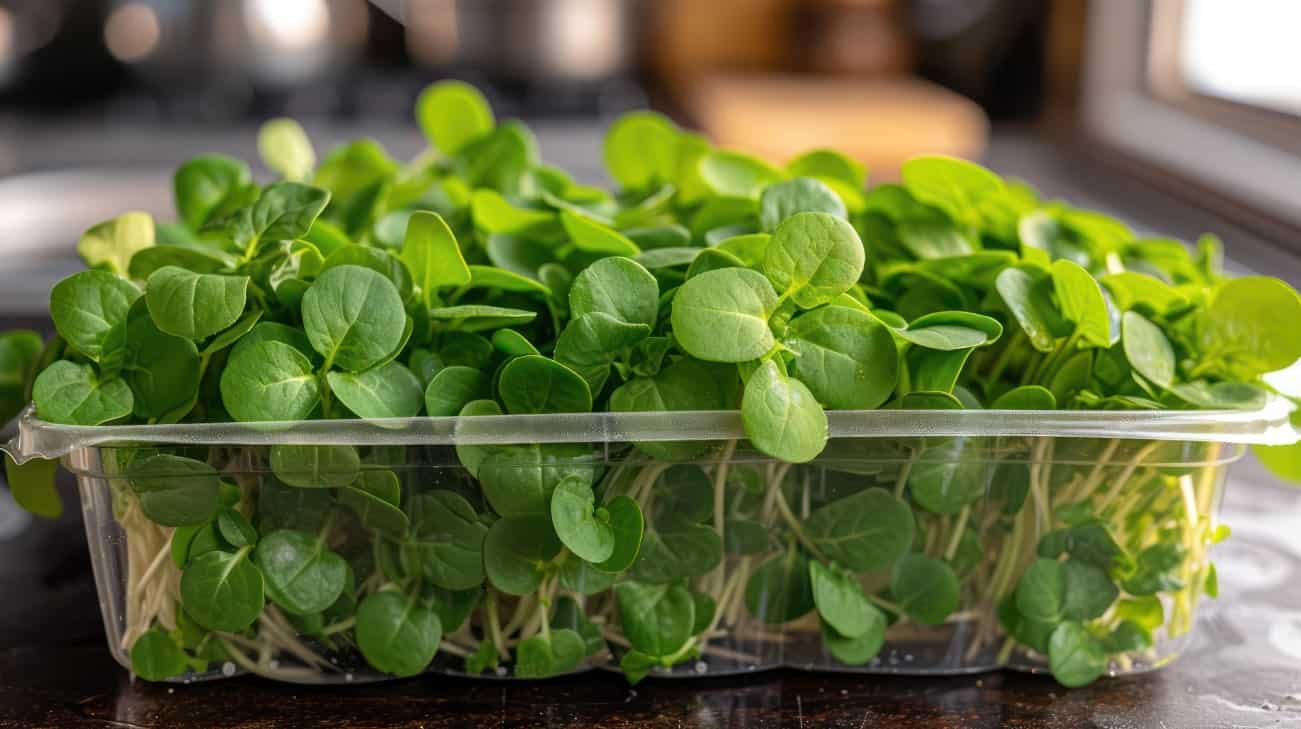
There is a world of sustainable options available, much more than just the standard plastic. Let’s take a look at the main alternatives and their specific properties.
Cardboard packaging the workhorses of sustainability
Cardboard is often the first type of material you think of when considering sustainable packaging. It is popular because of its recyclability and the possibility for custom designs. Within cardboard, you have several types:
- Solid board
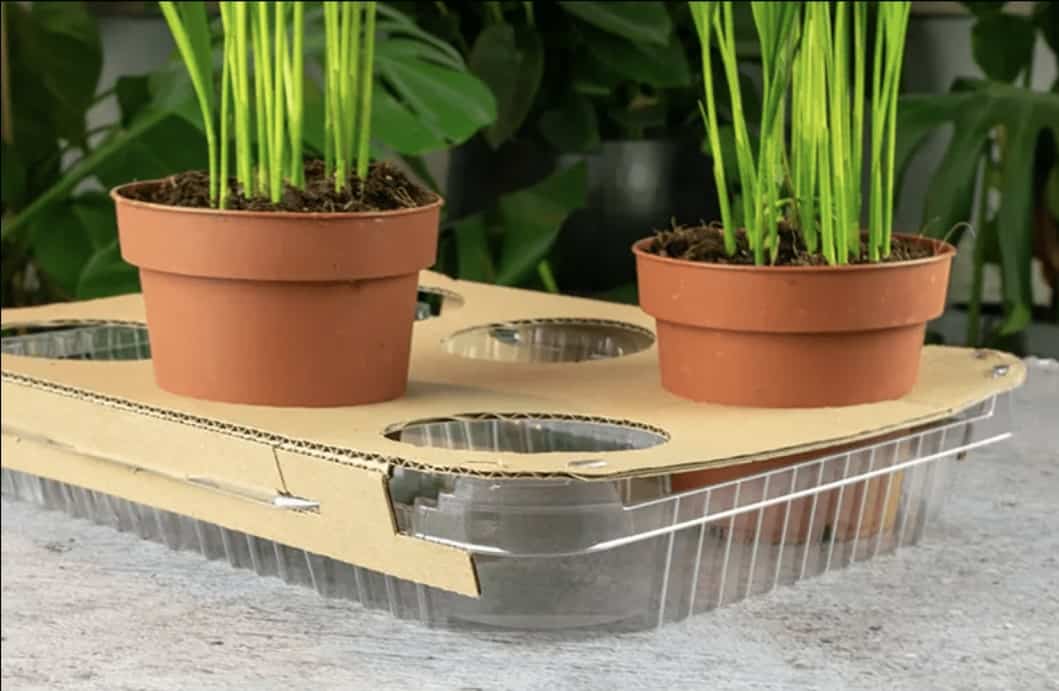
This type of board, such as solid board, is strong and can be an excellent alternative to plastic. It is compact, prints well and can even be suitable for quick freezing. Importantly, solid board can be moisture-resistant and meets food safety certifications such as ISEGA. It can also be delivered plano, which makes for more efficient logistics. - Corrugated cardboard
This offers extra protection due to its corrugated structure and is great for transportation. It is also easily stackable and provides space for branding.
Molded pulp (fiber molded packaging)
Made from recycled paper fibers, this material offers a unique, natural look and good protection. Think of the classic egg carton.
The advantages of cardboard are clear: it is recyclable, customizable and perceived by consumers as sustainable. Just be aware that without proper treatment, such as coatings, some cardboard can be susceptible to moisture. MultiTray is ready to help you with the best materials for strong and durable thermoform packaging and so we often offer custom that you can personalize.
Bio-based and compostable films the future of flexible packaging
Want to retain the flexibility and transparency of film, but without the drawbacks of traditional plastic? Then bio-based and compostable films are interesting options.
- PLA (polylactic acid)
This is a bioplastic made from renewable resources, such as corn. It is transparent and offers good barrier properties. - Cellulose films
These are made of wood pulp and are compostable. They are often durable and transparent. - Agricultural waste-based packaging
Some innovative materials, such as those from PaperWise, are made from leaves and stems that would otherwise end up as waste. These have a significantly lower environmental impact than new paper and even recycled paper. They are often certified compostable according to standards such as EN13432 and DIN Certco.
Technology for longer freshness and traceability
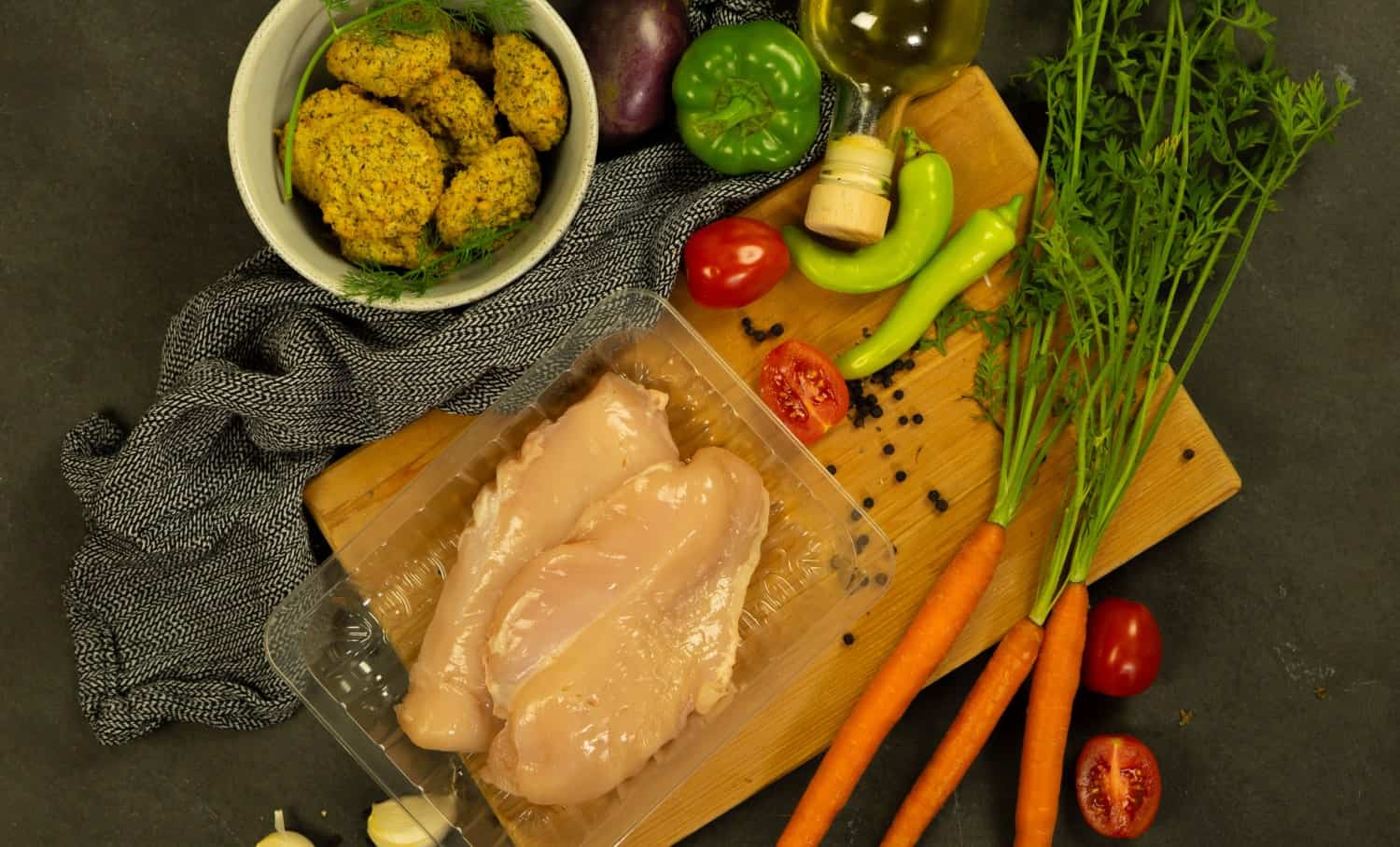
The packaging of the future does more than just protect. Smart packaging uses technology to monitor and extend freshness and improve traceability.
- Sensors
These are small sensors that can measure temperature, humidity and gas concentrations inside the packaging. So you know exactly whether your product is still in optimal condition. - Active packaging
Consider materials that absorb ethylene (a gas that ripens fruit) or have antimicrobial properties to prevent spoilage. This can significantly extend shelf life.
Smart packaging reduces spoilage, improves food safety and can even engage consumers in the journey of their product. The initial investment may be higher and technical integration is required, but the long-term benefits are great. These are smart packaging solutions that help you how to keep fresh produce really good longer and extend the extend the shelf life of your produce with smart packaging.
Your partner in packaging innovation how we differentiate you
At MultiTray, we understand that you’re looking for more than just a packaging supplier. You’re looking for a partner who thinks with you, who knows the nuances of materials science and regulations, and who helps you optimize your processes. We believe in a personal, family-driven approach where craftsmanship and innovation go hand in hand. With us, you don’t just get a product, but a complete, customized solution that fits your specific fresh produce and sustainability goals. We have been working on the circularsource philosophy and can really help you choose sustainable food packaging without worry and the complete guide to sustainable food packaging.