


- Home /
- Non-food
Horticultural trays
You face an important choice: which trays to use for your precious crops? It goes beyond just the right size or shape. The choice of material for your horticultural trays has a direct impact on the growth of your plants, your operational efficiency and the sustainable image of your brand. Finding the perfect balance between the strength your product needs and the ecological footprint you want to leave behind can be quite a challenge. But don’t worry, we’re here to help you cut the knot.
Why material choice is crucial to your growing success
The world of professional horticulture requires trays that perform under pressure. Think constant humidity, temperature variations and intensive use. You want trays that not only support plants well, but also last time after time. Moreover, sustainability plays an increasingly important role, both for your own conscience and for your customers’ expectations. Therefore, we dive deeper into the two most common and durable materials for trays: rPET and PP.
The power of rPET trays
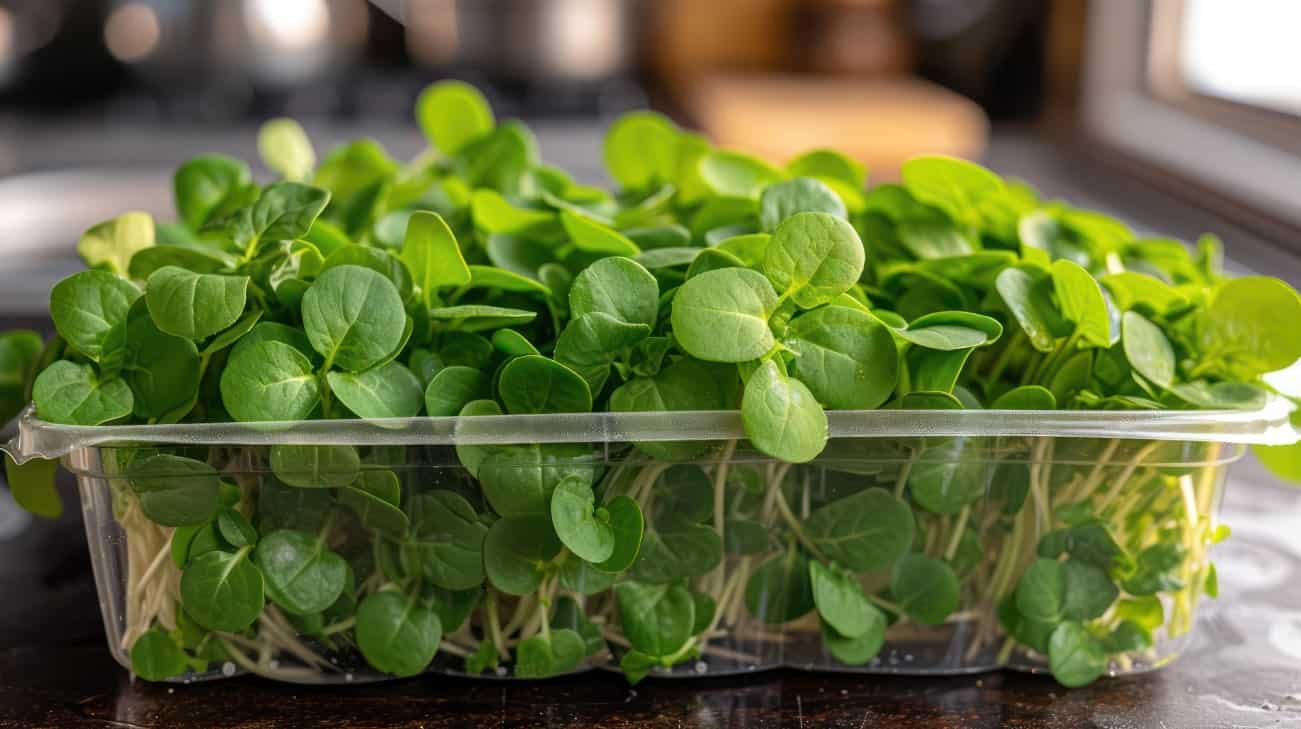
rPET stands for recycled PET, or polyethylene terephthalate. You probably know it from soda bottles. The beauty of rPET is that it gives existing materials a second life. This contributes to a circular economy and reduces dependence on new raw materials.
What is rPET?
rPET is made from collected and recycled PET plastic. This plastic is sorted, cleaned and then remelted into new sheets from which new products, such as horticultural trays, can be made via the thermoform process.
Benefits of rPET for your culture:
- Environmental impact
The use of rPET reduces the carbon footprint significant. Research shows that rPET takes up to 70% less energy to produce than virgin PET. This makes it a strong player in the fight for more sustainable packaging, as we also discuss in more detail in our blog on rPET versus PP topseal trays. - Strength and stability
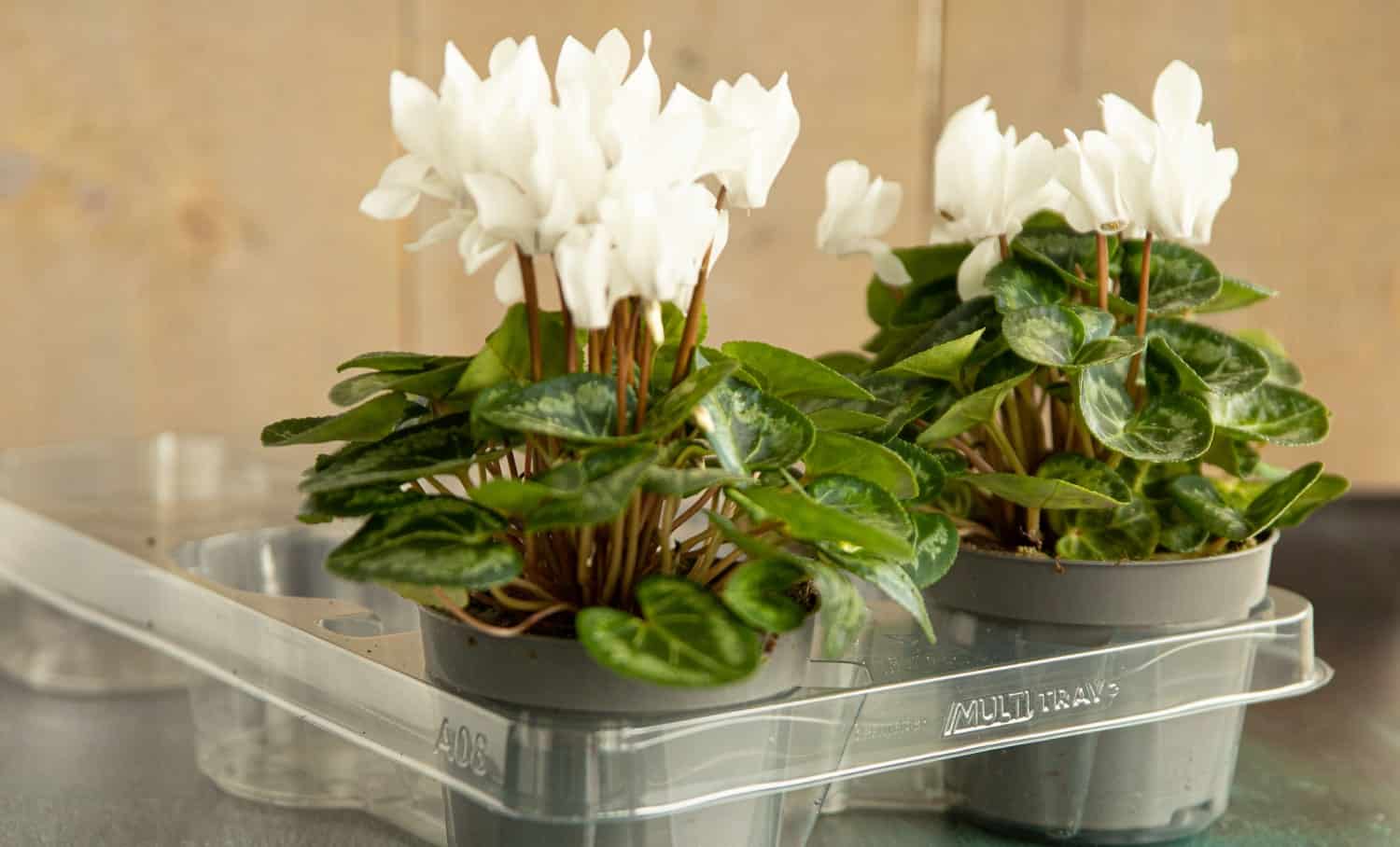
rPET trays are sturdy and provide excellent support for your crops. They are lightweight, yet strong enough to support root clods and the weight of plants, even with repeated use. - Transparency
rPET is naturally transparent, which gives you a good glimpse into the root development of your plants. This can help monitor health and growth.
Reusability and recyclability
Hard rPET trays are designed to last. They are easy to clean and disinfect, giving them years of use if used carefully. At the end of their life cycle, if properly separated, they are re recyclable.
Choosing for your specific needs
The “best” choice depends on your specific situation and priorities. We understand that choosing the right material can be a puzzle.
- For the sustainability maximist
Looking for maximum CO2 reduction and a strong focus on circular economy? Then rPET is often the winner. It sends a powerful message about your commitment to the environment. - For the discerning grower
Do you need trays that can withstand extreme heat, aggressive chemicals or rough use, for example in automated systems? Then PP, with its robust properties and high tolerance, offers the most security and precision and constant quality. - For optimal life cycle analysis
Both materials score high on reusability, which drastically reduces the overall ecological impact. The trade-off then lies in the specific production impact and recyclability after many years of use.
We can even provide a customized solution developed to perfectly fit your needs.
Practical tips for longer life of trays
Regardless of whether you choose rPET or PP, the life of your trays depends greatly on how you handle them:
- Regular cleaning
Remove soil residue and plant debris thoroughly after each use.`
- Disinfect
Use appropriate disinfectants to prevent pathogens. Make sure the agent is compatible with the material of your tray. - Dry storage
Store trays in a dry, clean place, protected from direct sunlight and extreme temperatures.
Stack trays in a way that does not damage the structure.- Regular cleaning
Your choice, your growing success
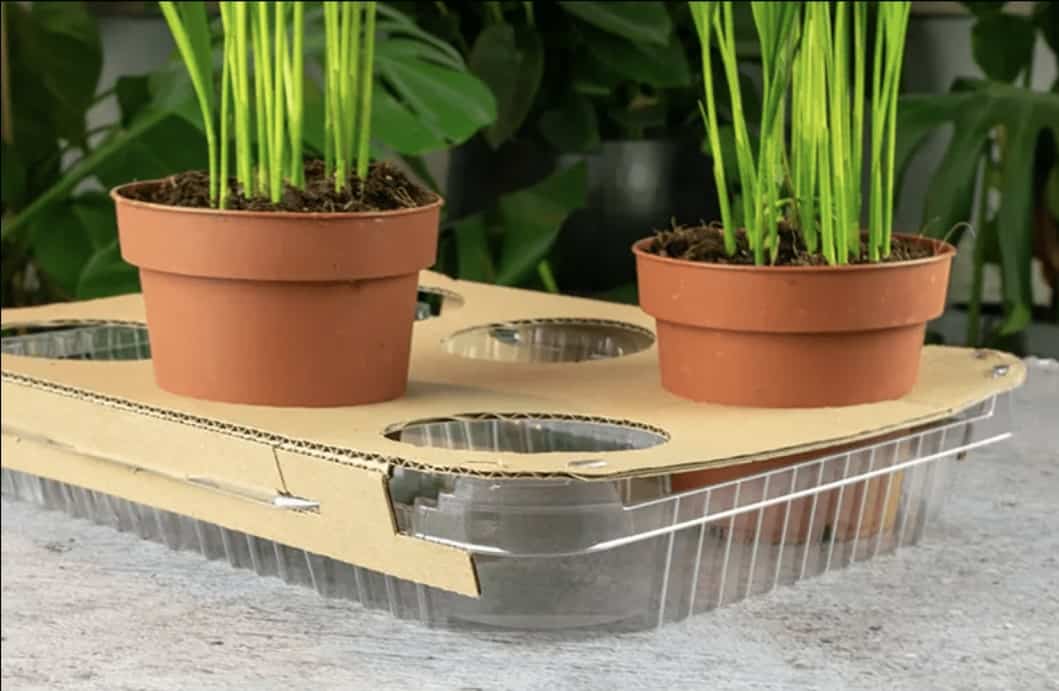
The choice between rPET and PP for your horticultural trays is an important one that goes beyond price. It is a strategic decision that reflects your efficiency, plant health and sustainable business philosophy. Both materials offer unique advantages and are excellent choices for reusable, sustainable trays. The issue is which of these best materials best suited to your specific growing process and goals.
Do you have any questions or would like to new product that fits your needs perfectly? We are happy to think with you. Feel free to take contact with our team of experts for personalized advice or request an immediate quote.