


- Home /
- Fresh
Tomato packaging
You face an important choice: How do you package your tomatoes so that they are optimael protected, look attractive, and at the same time contribute to a more sustainable future? It’s a challenge many companies in the AGF sector struggle with. After all, you not only want to get your product safely from A to B, but also reduce your carbon footprint and keep your operational costs down. Not to worry, you’ve come to the right place.
Ecology and efficiency hand in hand
Customized packaging is more than just the right dimensions. It’s a smart investment that delivers both environmental and operational benefits. It’s about the balance between lowering your impact on the environment while streamlining your processes.
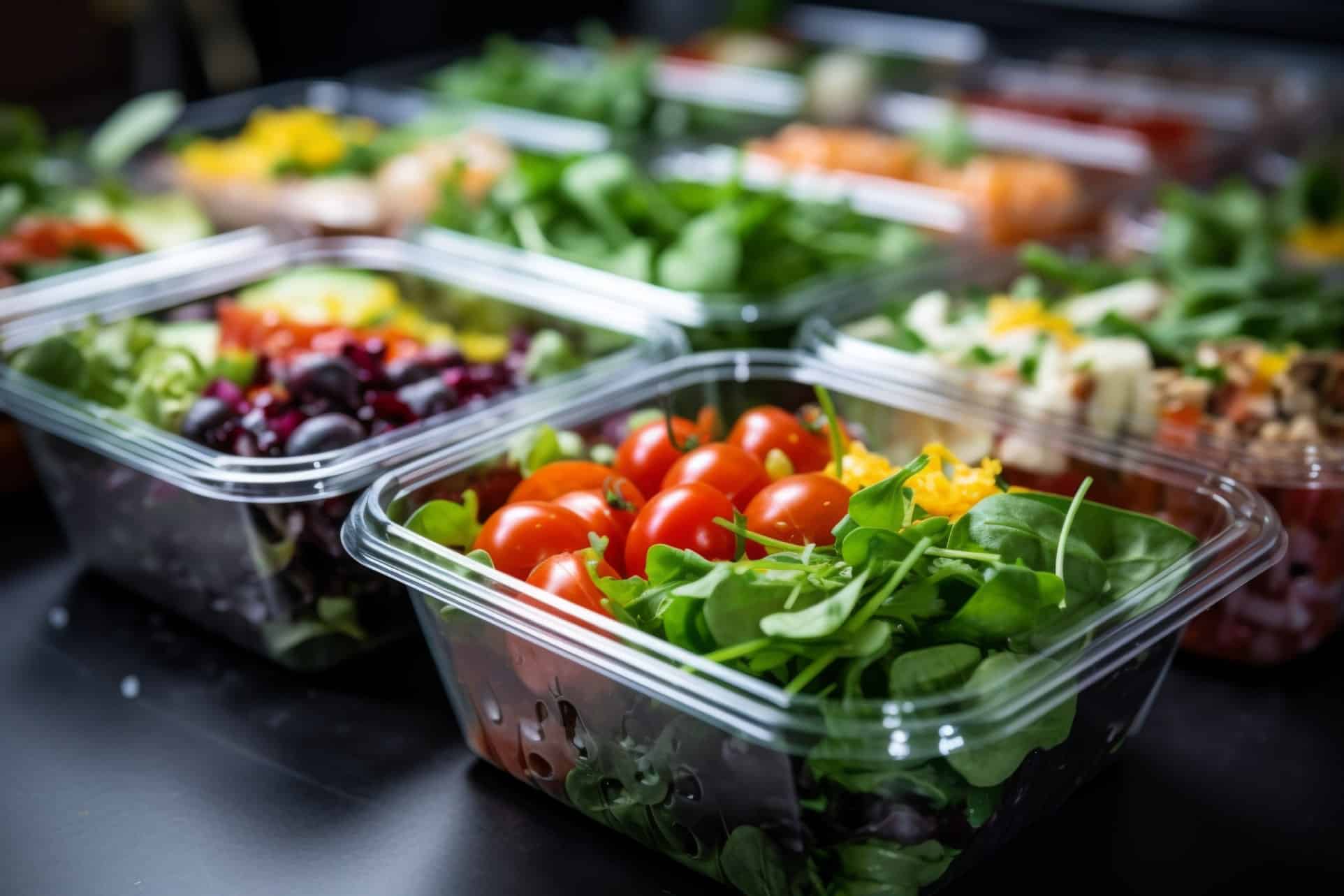
Here's how to reduce your carbon footprint smartly and demonstrably
One of the most direct ways to reduce your ecological impact is to look at the materials and weight of your packaging. Light materials and thoughtful design can reduce the carbon footprint of your transportation significantly. For example, consider choosing recycled PET (rPET), which takes significantly less energy to produce than new plastic, or innovative bio-based alternatives such as PLA and cellulose, which can further reduce impact. Did you know that compact delivery of plano packaging also contributes to fewer transport movements and thus fewer emissions? A holistic view is essential here.
Design for recycling
Recyclability is a buzzword, but how do you ensure that your tomato packaging can actually be recycled can become? The answer lies in “design for recycling.” This means choosing mono-materials that are easily separable and avoiding unnecessary labels or adhesives that interfere with the recycling process. Research shows that a significant proportion (29%) of currently limited recyclable packaging can be made fully recyclable through smart design changes. We would be happy to help you design packaging that meets the criteria for the recyclability of packaging materials, so that you not only comply with the PPWR guidelines, but also concretely contribute to the circular economy.
Less food waste
Sustainability is not only about the packaging itself, but also about what the packaging does for the product. Good tomato packaging protects your delicate produce and extends shelf life. Consider optimal ventilation or just a gas-tight seal for certain varieties to keep your tomatoes fresher longer and reduce food waste. This is a crucial aspect of the overall sustainability balance because fewer wasted tomatoes means a lower impact on the environment, regardless of the packaging.
From packaging to production line optimization
In addition to the ecological benefits, custom packaging can dramatically improve your operational efficiency. This is where you can save direct costs and speed up turnaround time.
Faster lines less hassle efficient packaging works wonders
Thoughtful packaging design can do wonders for the speed of your packaging line. Consider trays that are self-erecting, or packaging with a design that optimizes filling, whether manual or automated. Fewer operations, fewer breakdowns and higher throughput. This means direct savings on labor costs and increased production capacity. At MultiTray, we know exactly how to design your packaging to work seamlessly with your machines, for maximum efficiency.
Smart logistics with compact and stackable designs
Efficiency doesn’t stop at the production line. Compact and stackable packaging not only saves space in your warehouse, but also during transportation. This leads to lower transportation costs and a smaller carbon footprint. Packaging that makes optimal use of pallet space can make all the difference in your overall logistics chain.
Which materials best suit your tomatoes
The choice of material is critical to both the durability and functionality of your tomato packaging. We would be happy to advise you on the best options:
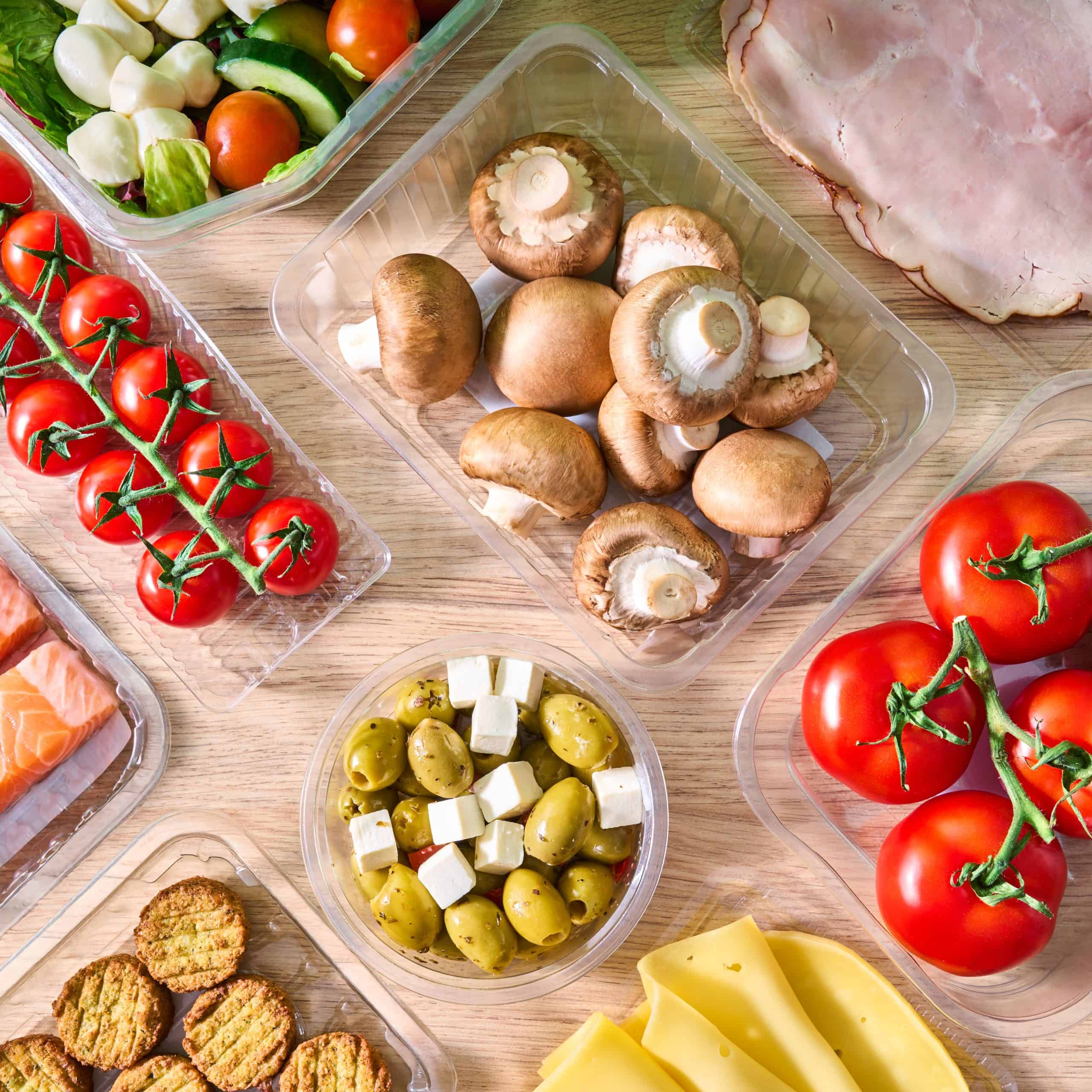
- rPET (recycled PET)
A widely used, lightweight and transparent material that supports the circular economy. Ideal for thermoformed trays and punnets. It is highly recyclable and protects your tomatoes to the fullest. Also check out our blog on The best materials for strong and durable thermoformed packaging.
- Cardboard and solid board
These fiber-based materials are excellent alternatives to plastic, especially if you are looking for robust, printable packaging. They recycle well and offer a natural look. They are compact to deliver, which offers logistical advantages. - Molded pulp
Made from recycled paper fibers, often biodegradable and compostable. Provides a rustic, natural look and good protection. - Bio-based plastics (PLA)
Materials made from renewable resources. Although often compostable, industrial composting is required, which can add complexity to the recycling stream. The most sustainable packaging take into account the complete picture.
Each material has its own advantages and disadvantages in terms of protection, breathability, shelf life, ecological impact and cost. Together we will look at what best suits your specific tomato variety and your market needs.
Choose your partner a family business with a mission
In a market full of choices, you want a partner who not only delivers, but also thinks along with you. At MultiTray, located in Uden, we do that from a no-nonsense mentality and with a personal approach that you would expect from a family business. We are specialized in packaging for fresh produce and have the expertise to understand and solve the challenges of the AGF industry. We are committed to transparency, fair agreements and mutual development.
We invite you to take the next step. Find out what we can do for you or request an immediate quote for your custom tomato packaging needs.