


- Home /
- Fresh
Mono-material packaging
The world of potatoes, fruits and vegetables (AGF) faces a major challenge. How do you maintain the freshness and quality of your produce while meeting the growing demand for sustainable packaging? At us, as a family-owned company, we understand that this is a tricky balance. You want to protect your product as best you can, reduce food waste, and still provide packaging that consumers can confidently recycle. This is exactly where monomaterials make a difference.
The rise of monomaterials
The demand for monomaterials is growing tremendously. Globally, we are seeing annual growth of 4.8% to 8.0% in this packaging sector. This development is not just a trend, but a response to important factors that are also relevant to you.
First, there is European legislation. The EU PPWR (Packaging and Packaging Waste Regulation) sets clear targets: by 2030, all plastic packaging must be recyclable or reusable, with a mandatory 50% recycled content in plastic packaging as early as 2025. This means thinking about materials that meet these targets now. The Netherlands is already far along in this, with an impressive 88% recycling rate for plastic packaging by 2023, thanks in part to initiatives such as Verpact.
Second, and perhaps even more important, is changing consumer demand. Your customers are increasingly consciously choosing products with sustainable packaging. They want to know that they are contributing to a better world. Mono-material packaging communicates this commitment directly.
Finally, packaging plays a crucial role in preventing food waste. While product quality has the greatest impact on shelf life, the right packaging can prevent spoilage and significantly extend the life of your product.
Monomaterials explained
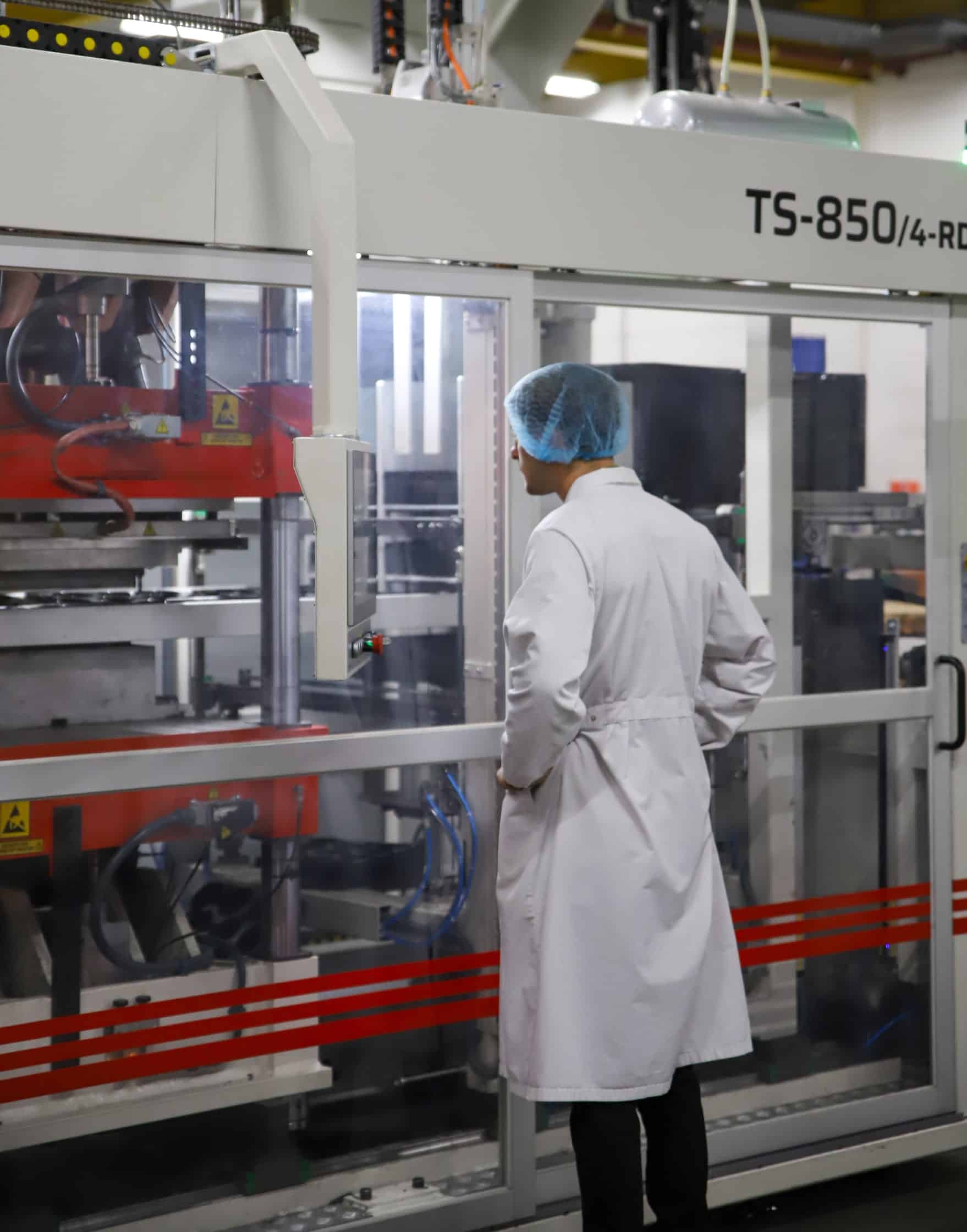
Choosing the right mono material depends on your product and its specific requirements. We are happy to help you understand the differences between rPET and mono-PP, the two most common monomaterials for AGF.
rPET is the champion of circularity and clarity
rPET, or recycled PET, is the material of the future for many AGF products.
It’s crystal clear, sturdy and strong, making for excellent presentation of your product. Think of the attractive presentation of soft fruit or fresh salads. rPET excels in sustainability: its production requires up to 70% less energy than new PET, significantly reducing the carbon footprint. In the Netherlands, after use, rPET packaging is efficiently recycled in a “tray-to-tray” system, which means that old trays become new trays.
rPET is also safe for food contact thanks to EFSA (European Food Safety Authority) approval and the application of functional barriers. It is ideal for fresh-cut fruits and vegetables, soft fruits such as strawberries and berries, and other refrigerated products.
Want to learn more about the differences between rPET and PP? Then read on to our page about rPET versus PP topseal trays for a sustainable future.
Mono-PP
Mono-PP is another versatile mono material, best known for its robustness and heat resistance. This makes it ideal for products you want to heat, such as ready meals, or for heavier AGF products that need extra protection. It is flexible and chemically resistant, which also makes it suitable for products with a higher fat content.
The recyclability of mono-PP is excellent as a mono-material. Although food-safe recycled PP is still under development, the infrastructure for this is improving.
The freshness factor
Your big concern is often: can a mono-material really guarantee the freshness of my product as well as traditional multilayer packaging? This is a legitimate question. The oxygen barrier is crucial to the shelf life of AGF, and standard rPET has a moderate oxygen barrier compared to more complex multilayer solutions. However, rest assured. Here lies the innovation where we will work with you to make a difference.
Processability is also an issue. A wide “sealing window” (the temperature range in which the package closes properly) is essential for high production speeds. Thanks to advanced production techniques and our craftsmanship, we can deliver packaging that performs perfectly on your machines. We make sure that our packaging fits seamlessly into your production process so that your efficiency is not compromised. Find out more on our page about advanced production techniques for optimal packaging.
Practical applications and why we are the right partner
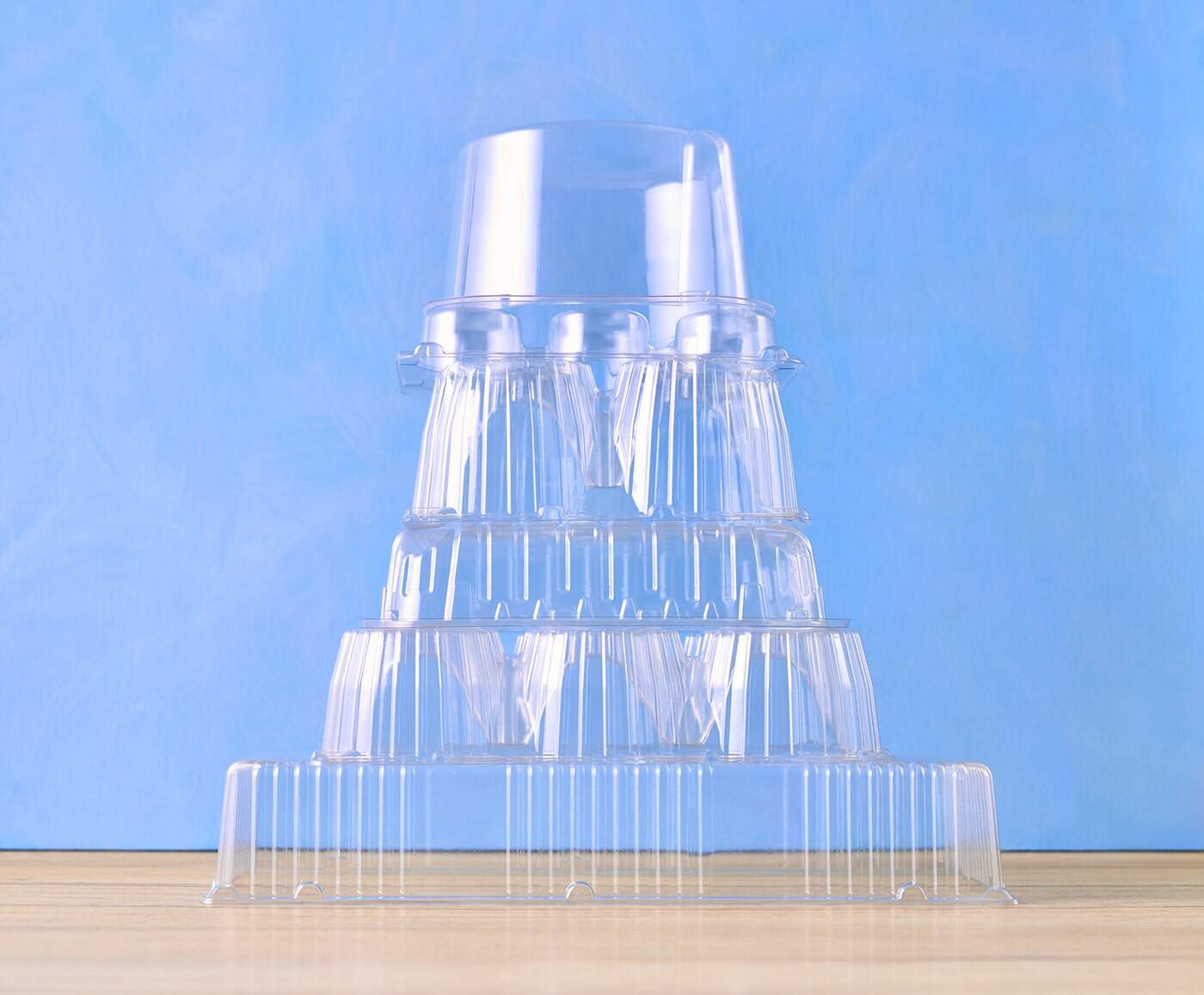
Imagine radiant punnets with soft fruit made of rPET, salad trays that stay fresh longer or sturdy packaging for sliced vegetables, all fully recyclable. With the right mono-materials, we ensure that your products not only have a longer shelf life, but are also irresistible on the shelf. The life cycle analysis of these packages shows that they have a significantly lower impact on the environment. Do you really want to extend the shelf life of your products? Find out how with smart packaging and how to keep fresh produce really good longer.
At our family-owned company, we understand the intricacies of packaging. We pride ourselves on incorporating sustainability from the very first design. We work not just from a supplier’s point of view, but as a partner working with you to find the best solution for your unique product. That’s what sustainability we build in from the first design means to us.
Your strategic choice for sustainable freshness
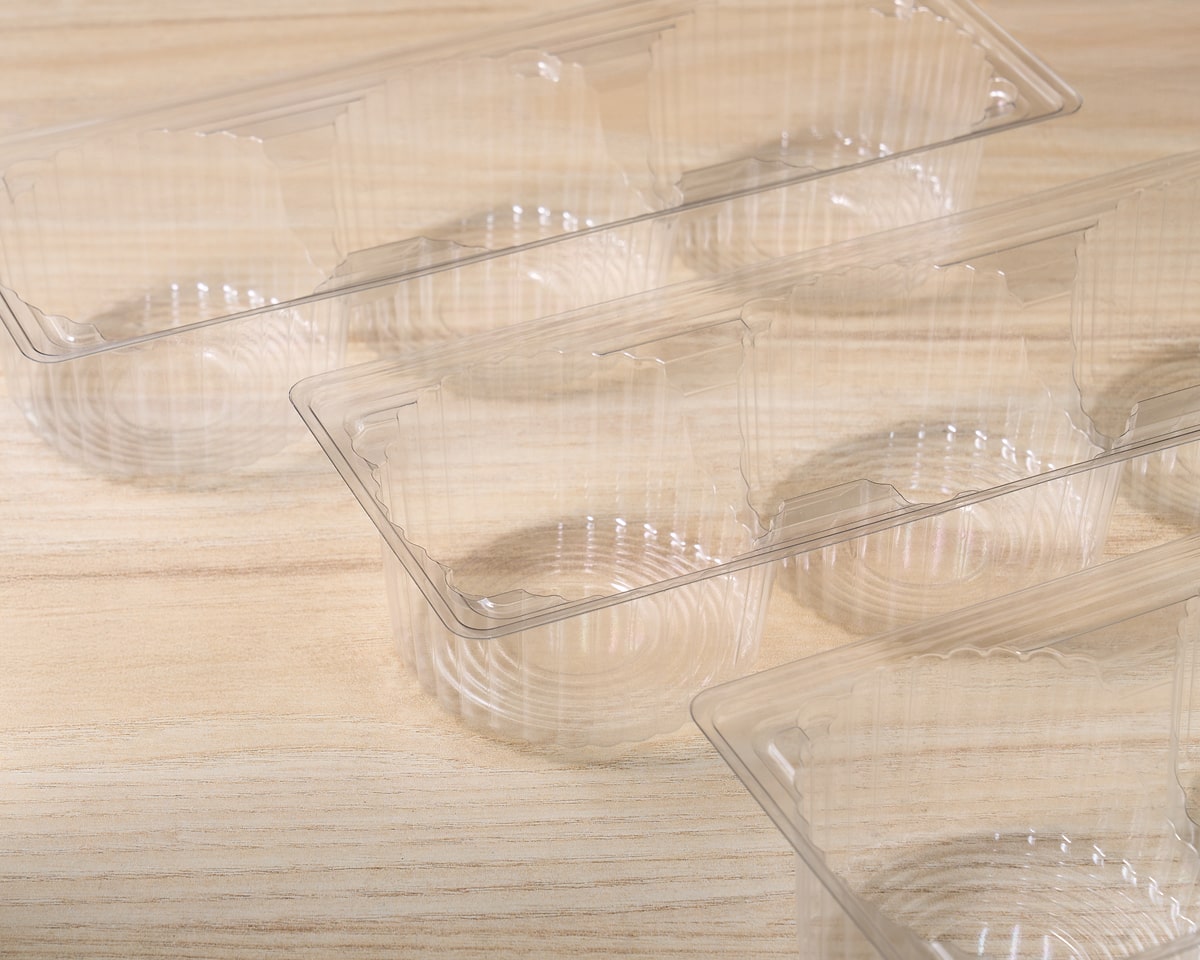
Choosing the right packaging is a strategic decision that goes beyond cost. It’s about protecting your product, complying with legislation, responding to consumer demands and contributing to a better future.
We invite you to explore the possibilities of monomaterials for your AGF products. We are ready to advise you on the best materials and innovations so you can make an informed decision. Together we ensure that your products stay fresh longer and that your packaging fits within the circular economy.
Contact us today contact us today for a free consultation or request an offer. We would be happy to help you on your way to the perfect, sustainable packaging for your AGF products.