Choosing the right packaging for your product can feel like a complex puzzle. You need something that protects, presents and performs, all while meeting sustainability goals and running smoothly on your production lines. It’s a significant decision, and you’re not alone in looking for the perfect fit.
Thermoformed trays are often the answer. In simple terms, they are made by heating a sheet of plastic until it’s pliable and then shaping it over a custom mould. This process, which you can learn more about in our guide to thermoforming production , creates lightweight yet durable packaging tailored to your exact needs. As a family business with BRC AA+ certification, we’ve spent over a decade helping companies find the ideal solution. Whether you need a standard design or fully custom packaging , this guide will walk you through the options.
The main types of thermoformed trays
The term ‘tray’ covers a wide range of packaging formats, each designed for a specific job. Understanding the differences is the first step towards finding what you need. Our range of products includes many of these common types.
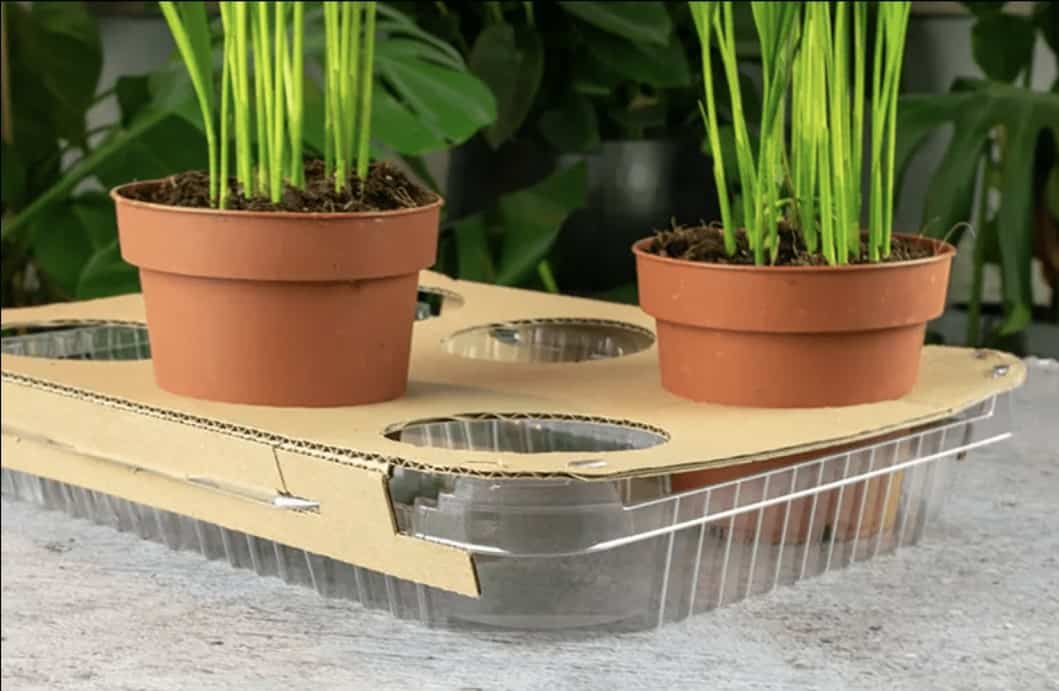
Food trays This is the largest category. These trays are designed for everything from biscuits and chocolates to fresh produce and ready meals. They are engineered for food safety, shelf life and consumer appeal.Topseal trays A specialised type of food tray, these are designed with a smooth, flat flange around the rim. This allows a sealing film to be applied, creating an airtight pack that extends shelf life, prevents leaks and offers tamper evidence. They are essential for fresh foods and Modified Atmosphere Packaging (MAP). You can explore our range of topseal trays for fresh and prepared foods.Blister and clamshell packs Blisters secure a product against a cardboard backing, while clamshells are hinged containers that fully encase it. Both offer excellent visibility and protection, making them popular for consumer goods, electronics and pharmaceuticals. We’ve developed a variety of blister packs for different industries.Inserts and cavity trays These trays sit inside an outer box or case, holding products securely in place. They prevent items from moving during transit, protect delicate components and can be designed for beautiful presentation, like in a box of luxury chocolates.Handling and transport trays Used in industrial and logistical settings, these trays are built for durability. They facilitate the movement, stacking and storage of components during manufacturing or shipping, improving efficiency and reducing damage.Presentation trays When visual appeal is paramount, presentation trays are used to showcase products in a retail environment. They are common in cosmetics, luxury goods and gift sets, designed to enhance the consumer’s unboxing experience.Horticultural trays From seed trays to pots and transport carriers, these are designed to support plant growth and logistics within the horticultural industry. They are built to withstand water, soil and the rigours of the nursery environment.
Choosing the right material for performance and sustainability
The material you choose has the biggest impact on your tray’s performance, cost and environmental footprint. While there are many innovative materials for thermoformed packaging , a handful of plastics are used most often.
Recycled PET (rPET) One of the most widely used materials, and for good reason. It offers excellent clarity, stiffness and impact resistance. As it’s made from recycled content and is widely recyclable itself, rPET is often the go-to choice for sustainable packaging. APET (Amorphous PET) is the virgin equivalent, used when recycled content isn’t suitable.Polypropylene (PP) If your product needs to be heated, PP is often the best choice. It has a higher heat resistance than PET, making it suitable for microwaveable ready meals or hot-fill applications. It’s also very durable and has good chemical resistance. However, it is typically less clear than PET.Polystyrene (BOPS) Biaxially Oriented Polystyrene is known for its exceptional clarity and rigidity, making it a popular choice for bakery and confectionery trays where presentation is key. It creates a crisp, high-quality finish but has lower impact resistance than PET.
It is important to look beyond simple labels. For example, ‘heat resistance’ is not a single number but a balance of factors like how the tray behaves during hot filling versus in a microwave. Likewise, ‘recyclability’ depends on more than just the material. The use of certain colours, labels and barrier layers can complicate the recycling process. Designing for true recyclability from the start is a core part of our approach to circular packaging .
How to match the right tray to your product
With a clear understanding of types and materials, you can start to connect them to your specific application. The key is to think about the entire product journey, from your production line to the end consumer.
For food packaging, the priorities are safety, shelf life and presentation. A tray for fresh salads will need different properties than one for confectionery and bakery products. Fresh produce might need rPET for its clarity and strength, while a ready meal that needs reheating requires the temperature stability of PP. We’ve learned that achieving the right balance between food safety and sustainability is a critical challenge we can help you solve.
For industrial or non-food applications , durability and functionality are often the primary concerns. A handling tray for automotive parts must be robust and precisely shaped to prevent damage, making impact-resistant materials like PET or PP ideal.
Because every product and process is unique, a standard, off-the-shelf tray isn’t always the best solution. Having your packaging designed specifically for your product ensures a perfect fit, optimal protection and efficient handling. If you have a unique challenge, our team is here to help you develop the perfect custom-made packaging .
Ready to find the right tray? You can start by exploring options with our New Product Tool or you can always request a quote directly for your project.
For expert advice on your specific thermoformed tray requirements, feel free to get in touch with our team .
Frequently asked questions about thermoformed trays
What is the main benefit of thermoformed trays?
The key benefit is versatility. Thermoforming allows for the creation of lightweight, strong and highly customised packaging for a huge range of products, often more cost-effectively than other methods like injection moulding.
Can thermoformed trays be recycled?
Yes, many can. Trays made from mono-materials like PET, rPET and PP are widely recycled. However, true recyclability depends on the design, including colours, labels and any additional layers, as well as local recycling infrastructure.
How do I choose the right material for my product?
Consider your product’s entire lifecycle. Does it need to be heated? Does it require a long shelf life? Is crystal-clear presentation essential? Your answers will point you towards the best material, whether it’s heat-resistant PP or high-clarity rPET.
What are the main types of thermoformed trays for food?
The most common types are standard trays for products like biscuits and produce, topseal trays for fresh and prepared foods that need an airtight seal, and inserts for presenting items like chocolates within a larger box.